


pandas 时间序列重采样与插值的正确组合方法:先聚合再插值
使用`resample().interpolate()`会先按桶内首值聚合再插值,导致结果错误,因为未考虑时间权重。正确做法是先通过`resample().mean()`生成规则时间序列,再对缺失值执行`interpolate(method='time')`进行时间加权线性插值,从而得到符合物理意义的精确结果。
使用 resample().interpolate() 时,直接对非规则时间序列调用 .interpolate(method='time') 不会按时间轴线性插值,而是对每个重采样桶内数据执行默认聚合(如首值)后再插值;正确做法是先用 resample().mean()(或 .first()/.last())生成规则时间索引的粗粒度序列,再对其缺失点进行 interpolate(method='time')。
在 pandas 里处理时间序列时,resample().interpolate() 这个组合写法,很多人容易踩坑。它并不是直接对原始不规则时间戳做全局的时间加权插值,而是先按指定频率(比如 '2min')将数据分桶,每个桶内默认取第一个非空值(等价于 .first() ),然后再对聚合后得到的规则序列插值。结果就是,你可能会看到大量重复值,以及不符合物理意义的线性趋势——比如明明温度在变化,但前几个桶的值却始终是 25.0。
那正确做法是什么?分两步走:先聚合,再插值。这才是符合时间序列分析直觉的流程。
- 聚合(Aggregation):用
resample('2min').mean()(或.first()、.last()、.median())将原始不规则时间序列压缩到规则时间网格上,每个桶内取一个代表值,同时保留时间索引的对齐关系。 - 插值(Interpolation):聚合结果中,那些因原始数据缺失而产生的 NaN,再使用
interpolate(method='time')进行基于时间戳的线性插值。这个操作会自动识别 DatetimeIndex,并按秒级精度计算权重,插值结果更精确。
下面是一个完整的可运行示例,可以直接复制到环境中体验:
import pandas as pd
import numpy as np

# 生成模拟不规则时间序列(原始数据)
np.random.seed(0)
num_rows = 20
data = {
    'temperature': np.random.randint(20, 30, num_rows),
    'humidity': np.random.randint(40, 60, num_rows)
}
time_offsets = np.random.randint(0, 120, num_rows)  # ±120秒扰动
time_offsets = pd.to_timedelta(time_offsets, unit='s')
start_time = pd.Timestamp('2024-02-24 09:55:37')
time_indices = [
    start_time + pd.Timedelta(minutes=2 * i) + offset
    for i, offset in enumerate(time_offsets)
]
df_raw = pd.DataFrame(data, index=time_indices)

# ✅ 正确做法:先聚合 → 再插值
df_resampled = df_raw.resample('2min').mean()          # 每2分钟桶内取均值(自动对齐到 :00 秒)
df_interp = df_resampled.interpolate(method='time')    # 对 NaN 执行时间加权线性插值

print("原始不规则数据(前5行):")
print(df_raw.head(5))
print("\n聚合后(每2分钟均值,含NaN):")
print(df_resampled.head(10))
print("\n插值后(时间加权线性插值):")
print(df_interp.head(10))
几个关键点需要特别留意:
method='time'要求索引必须是 DatetimeIndex,本例中已经满足。如果索引不是日期时间类型,会退化为method='index',按整数位置插值,那结果就不对了。- 如果某个2分钟桶内完全没有原始数据,
resample().mean()会产生 NaN。后续的interpolate()可以跨桶插值,前提是前后有有效值。 - 默认情况下,
interpolate()不支持边界外推。如果需要外推,可以结合scipy.interpolate.interp1d(fill_value="extrapolate")或手动处理。 - 另一个替代方案是:如果追求更高精度且数据量不大,也可以直接用
reindex().interpolate(method='time'),配合自定义目标时间索引(比如pd.date_range(..., freq='2min'))来实现。
总结一下:resample().interpolate() 是一个容易让人误解的“伪原子操作”。它的插值对象是聚合结果,而不是原始数据。牢记「先降频聚合、再时间插值」这个范式,才能得到符合物理直觉的、严格按时间戳加权的重采样序列。



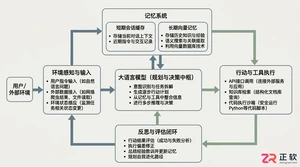



Shapr3D是一款面向工业设计、机械工程、建筑概念和三维打印工作流的CAD软件。Mac版采用Parasolid建模内核,支持草图约束、实体建模、工程图、可视化渲染及常见CAD格式交换,并可通过账户在多台设备之间同步项目。

REAPER是Cockos开发的数字音频工作站,提供多轨音频与MIDI录制、剪辑、处理、混音和母带制作工具。Mac版兼容Intel与Apple芯片,支持AU、VST、VST3、CLAP等插件格式,并提供高度可定制的工作流程。

Ableton Live 是面向音乐制作人与现场表演者的数字音频工作站,提供编曲视图、独具特色的现场视图、音频录制、MIDI创作、实时变速、乐器及效果器。Mac版原生支持Apple芯片,并可连接音频接口、MIDI控制器和第三方插件。

Adobe After Effects 是面向动态图形、影视特效与视频合成的专业创作软件。它提供关键帧动画、遮罩抠像、运动跟踪、三维空间、文字动画和表达式等工具,并可与 Premiere Pro、Photoshop、Illustrator

Adobe Audition 是面向播客、影视后期、音乐制作及内容创作者的专业音频工作站,提供波形精修、多轨录制与混音、频谱编辑、降噪修复、响度匹配和效果处理工具,并可与 Adobe Premiere 协同完成视频声音制作。

Adobe Bridge 是面向摄影师、设计师及内容团队的免费数字资产管理工具,可集中预览照片、视频和 Adobe 项目文件,并利用评级、标签、关键词、元数据、筛选与收藏集完成分类检索。它还支持批量重命名、格式导出、相机导入及 Camera

Adobe Illustrator 是 Adobe 推出的专业矢量图形设计软件,适合在 Mac 上制作标志、图标、插画、包装、信息图及印刷版面。它以路径和锚点构建可无损缩放的图形,并提供钢笔、形状、文字、图像描摹、渐变、画板及生成式功能。

Adobe InDesign 是面向印刷品与数字出版物的专业版面设计软件,可在 Mac 上制作书籍、杂志、宣传册、海报、报告及交互式文档。它提供精细的文字样式、网格、母版、长文档管理和印前输出能力。

Adobe Lightroom Classic 是面向桌面摄影工作流的照片管理与后期处理软件,可将原始照片保存在本地硬盘,通过目录、关键词、评分和收藏夹高效整理图库,并提供 RAW 冲印、蒙版、镜头校正、批量同步及多格式导出等功能。

Adobe Media Encoder 是 Adobe 推出的专业音视频编码与转码工具,可通过队列、预设和监视文件夹批量完成格式转换、代理文件创建及多平台成片输出,并与 Premiere Pro、After Effects 等软件紧密协作。

Adobe Photoshop 是面向摄影师、设计师和内容创作者的专业图像处理软件,提供图层、蒙版、选区、修复、调色、文字排版、智能对象及生成式编辑等能力。Mac 版支持 Intel 与 Apple Silicon 处理器。

Adobe Premiere Pro 是面向专业视频制作的非线性剪辑软件,提供多轨时间线、调色、音频处理、字幕、代理工作流和多格式输出能力,并可与 After Effects、Audition、Photoshop 及 Frame.io 协同


Photoshop 2026 是 Adobe 推出的专业图像处理与视觉设计软件,支持 Windows、macOS 和 iPad 等平台,广泛应用于摄影修图、电商设计、平面海报、数字绘画及视觉合成等创作场景。

Blender 是一款免费开源、跨平台的专业 3D 创作软件,集建模、动画、渲染、视频编辑与视觉合成等功能于一体,广泛应用于影视动画、游戏设计和建筑可视化等领域。软件支持 Cycles 物理渲染器与 Eevee 实时渲染引擎,并提供多边形建模、骨骼绑定、物理模拟等专业工具。Blender 兼容 Windows、macOS 和 Linux 系统,安装包轻巧、运行流畅,依托活跃的全球开发者社区持续更新,是从初学者到专业创作者都值得选择的正版 3D 创作工具。


极度公式是一款跨平台专业LaTeX公式识别编辑软件,支持OCR公式识别和多平台编辑。和使用说明,避免使用,享受完整功能与稳定支持。做扫描整理、文字提取和表格转换时,它能把识别后的处理步骤接得更顺,资料录入这类场景会省下不少时间。



一款文字处理软件,一种订阅式的跨平台办公软件,基于云平台提供多种服务,通过将 Excel 和 Outlook 等应用与 OneDrive 和 Microsoft Teams 等强大的云服务相结合,Office 365 可让任何人使用任何设备随时随地创建和共享内容。

Wise Folder Hider Pro 是一款专业级文件和文件夹隐藏加密软件,为私密数据添加多重保护。高频操作更强调就近处理,浏览、整理和跨目录移动文件时,来回切换和重复点击都会少很多。


CodeExpander 是一款快捷短语输入增强工具,通过键入缩写自动展开为自定义文段,提升工作效率。任务管理和过程控制会更完整,持续下载、批量同步或需要稳定传输流程的场景会更适合它。