


如何在 Go 中通过字符串动态访问嵌套结构体字段
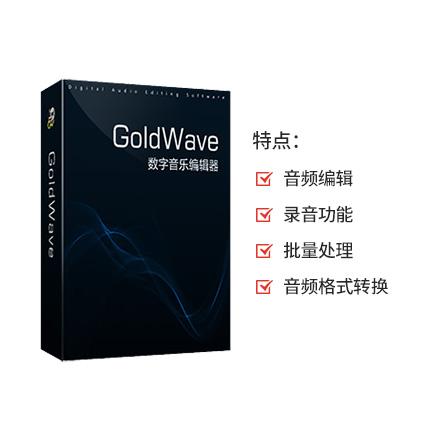
一款功能相当强大的录音及音频编辑软件,不仅可以编辑音频,而且还可以录音,功能丰富,操作简单,使用方便,实用性强,并且占用电脑内存小,运行速度快,不卡顿电脑,使电脑系统保持良好的运行状态。支持许多格式的音频文件,包括WAV、OGG、VOC、IFF、AIFF、
在Go中可通过反射包与结构体标签组合实现字符串路径动态设置嵌套字段值。将输入字符串解析为字段标识,根据bson或json标签反向查找导出字段名,再逐层定位并设置值,确保类型安全与可寻址性。该方法支持任意深度嵌套,兼容MongoDB及API标签,但需注意字段必须导出且接收指针。
在Go中处理嵌套结构体,确实会遇到一些其他语言中不那么明显的限制。比如,Go的结构体字段名在编译期就固定了,你不能像Python或Ja vaScript那样,直接用字符串索引来访问字段。但如果你需要根据一串字符串路径动态设置字段值,比如"01.01"对应某个嵌套字段,该怎么办?别担心,反射(reflect包)和结构体标签(比如bson标签)的组合,完全能搞定这个需求。
那么,具体怎么实现呢?核心思路其实很清晰:将输入字符串解析为字段标识,根据结构体中的bson或json标签,反向查找匹配的导出字段名,然后使用reflect.Value.FieldByName()逐层定位并设置值,全程确保类型安全、可寻址性和嵌套支持。
下面是一个完整可运行的示例,基于原问题结构稍作优化,方便你直接复制试试:
package main

import (
    "fmt"
    "reflect"
    "strings"
)

type Min struct {
    V01 int `bson:"01" json:"01"`
    V02 int `bson:"02" json:"02"`
}

type Hour struct {
    V01 Min `bson:"01" json:"01"`
    V02 Min `bson:"02" json:"02"`
}

// Set 动态设置嵌套字段:Set("01", "01", 100) 等价于 h.V01.V01 = 100
func (h *Hour) Set(hourKey, minKey string, value int) error {
    hVal := reflect.ValueOf(h).Elem() // 获取 *Hour 指向的 Hour 值(必须可寻址)
    hType := reflect.TypeOf(*h)

    // 第一层:根据 hourKey 查找 Hour 中 bson="01" 的字段
    hourField := findFieldByTag(hType, "bson", hourKey)
    if !hourField.IsValid() {
        return fmt.Errorf("no field with bson tag %q in Hour", hourKey)
    }
    hourVal := hVal.FieldByName(hourField.Name)

    // 第二层:根据 minKey 查找 Min 结构体中 bson="01" 的字段
    minType := hourField.Type // 即 Min 类型
    minField := findFieldByTag(minType, "bson", minKey)
    if !minField.IsValid() {
        return fmt.Errorf("no field with bson tag %q in Min", minKey)
    }

    // 设置值:hourVal.FieldByName(...) = value
    targetField := hourVal.FieldByName(minField.Name)
    if !targetField.CanSet() {
        return fmt.Errorf("cannot set field %s.%s: not addressable or not exported", hourField.Name, minField.Name)
    }
    targetField.SetInt(int64(value))
    return nil
}

// findFieldByTag 在 t 类型中查找第一个 bson=tagValue 的导出字段
func findFieldByTag(t reflect.Type, tagKey, tagValue string) reflect.StructField {
    for i := 0; i < t.NumField(); i++ {
        field := t.Field(i)
        if !field.IsExported() {
            continue
        }
        if val := field.Tag.Get(tagKey); val == tagValue {
            return field
        }
    }
    return reflect.StructField{} // invalid
}

func main() {
    var h Hour
    h.V01.V01 = 1
    h.V02.V01 = 2
    fmt.Printf("Before: %+v\n", h) // {V01:{V01:1 V02:0} V02:{V01:2 V02:0}}

    err := h.Set("01", "01", 100)
    if err != nil {
        panic(err)
    }
    fmt.Printf("After h.Set(\"01\",\"01\",100): %+v\n", h) // {V01:{V01:100 V02:0} V02:{V01:2 V02:0}}
}
优势在哪里
- 类型安全:编译期结构体定义 + 运行时反射校验,避免了map的interface{}类型擦除问题;
- 并发友好:结构体字段访问天然线程安全,比sync.Map更轻量,无锁开销;
- 可扩展:支持任意深度嵌套,只需递归调用`findFieldByTag`和`FieldByName`;
- 标签驱动:完全兼容MongoDB的bson标签或API的json标签,无需硬编码字段名。
需要注意的几个点
- 所有被反射访问的字段必须是导出字段(大写字母开头);
- `Set`方法必须接收`*Hour`指针,否则`reflect.ValueOf(h).Elem()`会panic;
- 反射有一定性能开销,若高频调用,建议缓存`reflect.Type`和字段映射关系;
- 如果业务场景本质是键值存储且需高并发写入,sync.Map仍是更优选择。
综上,当需要兼顾类型安全、结构化语义与可控并发时,反射+标签匹配是Go中实现字符串驱动字段访问的推荐方案。











火山引擎是字节跳动旗下企业级云与AI服务平台。聚焦大模型核心能力,依托字节自研豆包多模态大模型,凭借火山方舟一站式平台,提供模型精调、推理部署、智能应用搭建等全链路服务,结合高性能AI算力,助力各行业快速落地大模型数字化与智能化应用。






AirBuddy 3 是面向 macOS 的蓝牙外设增强工具,可集中查看 AirPods、Beats 与苹果设备电量,提供快速连接、播放控制、电量提醒、桌面小组件和多台 Mac 外设接力等功能。

AirServer macOS版可把 Mac 转换为无线投屏接收端,通过 AirPlay 或 Google Cast 接收手机、平板和电脑画面,并支持多设备同时连接、高清镜像及会话录制,适合家庭娱乐、课堂教学、会议演示和应用展示。

Autodesk Maya 是面向影视、电视、动画和游戏行业的专业三维制作软件,集多边形与 NURBS 建模、角色绑定、关键帧和动作捕捉动画、Bifrost 特效模拟、材质开发及 Arnold 渲染于一体,
火山引擎是字节跳动旗下企业级云与AI服务平台。聚焦大模型核心能力,依托字节自研豆包多模态大模型,凭借火山方舟一站式平台,提供模型精调、推理部署、智能应用搭建等全链路服务,结合高性能AI算力,助力各行业快速落地大模型数字化与智能化应用。

AirServer Windows版可把电脑变成AirPlay、Google Cast和Miracast无线投屏接收端,适合会议演示、课堂教学及家庭大屏分享。发送设备通常无需另装客户端,并可同时接收和智能排列多个镜像会话。