


如何使用Python中的内置函数
如何使用Python中的内置函数Python是一种简单易学的编程语言,拥有丰富的内置函数库,这些函数可以帮助我们更高效地编写代码。本文将介绍一些常见的Python内置函数,并提供具体的代码示例,帮助读者更好地理解和使用这些函数。print()print()函数用于输出内容到控制台。我们可以将文本、变量、表达式等作为参数传递给该函数,实现输出功能。示例代码:p
如何使用Python中的内置函数
Python是一种简单易学的编程语言,拥有丰富的内置函数库,这些函数可以帮助我们更高效地编写代码。本文将介绍一些常见的Python内置函数,并提供具体的代码示例,帮助读者更好地理解和使用这些函数。
print()
print()函数用于输出内容到控制台。我们可以将文本、变量、表达式等作为参数传递给该函数,实现输出功能。
示例代码:
print("Hello, World!")
name = "Alice"
print("My name is", name)

x = 10
y = 20
print("The sum of", x, "and", y, "is", x+y)
len()
len()函数用于获取字符串、列表、元组等对象的长度。它返回对象中元素的个数。
示例代码:
string = "Hello, World!"
print("The length of the string is", len(string))

my_list = [1, 2, 3, 4, 5]
print("The length of the list is", len(my_list))

my_tuple = (1, 2, 3)
print("The length of the tuple is", len(my_tuple))
input()
input()函数用于从控制台获取用户输入的内容。它可以接受一个可选的提示信息作为参数,并返回输入内容作为字符串。
示例代码:
name = input("Please enter your name: ")
print("Hello,", name)

age = input("Please enter your age: ")
print("You are", age, "years old.")
type()
type()函数用于获取对象的类型。它返回一个表示对象类型的字符串。
示例代码:
x = 10
print("The type of x is", type(x))

y = "Hello, World!"
print("The type of y is", type(y))

z = [1, 2, 3]
print("The type of z is", type(z))
range()
range()函数用于生成一个整数序列,常用于循环中控制循环次数。
示例代码:
for i in range(1, 6):
    print(i)

my_list = list(range(1, 6))
print(my_list)
str()
str()函数用于将其他类型的对象转换为字符串。
示例代码:
x = 10
print("The type of x is", type(x))
x_str = str(x)
print("The type of x_str is", type(x_str))

y = 3.14
print("The type of y is", type(y))
y_str = str(y)
print("The type of y_str is", type(y_str))
int()
int()函数用于将字符串或浮点数转换为整数。
示例代码:
x = "10"
print("The type of x is", type(x))
x_int = int(x)
print("The type of x_int is", type(x_int))

y = 3.14
print("The type of y is", type(y))
y_int = int(y)
print("The type of y_int is", type(y_int))
这些只是Python内置函数的一小部分,还有很多其他有用的函数等待你去探索和使用。掌握了这些内置函数的使用,可以大大提高我们的编程效率。希望本文对读者能有所帮助。





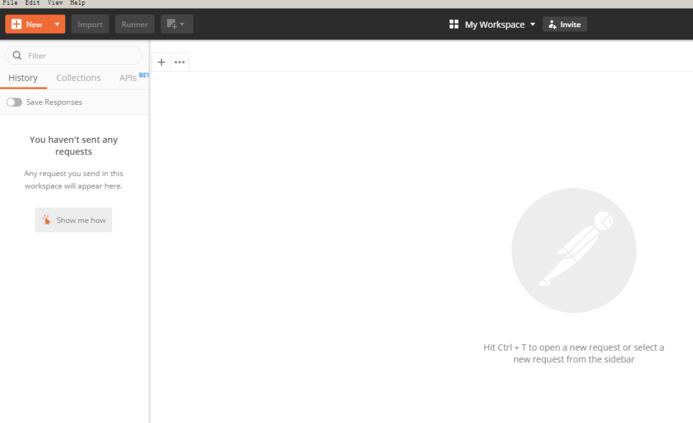




Postman是一套面向API全生命周期的开发与测试平台,可在Mac上发送和调试多种协议请求,管理集合、环境及认证信息,并完成脚本测试、模拟服务、监控、文档发布和团队协作。它适合开发、测试及运维人员使用,提供个人免费方案。
Docker Desktop 是 Docker 官方为 Mac 提供的容器开发环境,集成 Docker Engine、命令行工具、Compose、Build、Kubernetes 与图形化管理界面。

Android Studio 是 Google 面向安卓应用开发提供的官方集成开发环境,基于 IntelliJ IDEA 构建。它整合智能代码编辑、Gradle 构建、界面预览、设备模拟、性能分析、调试测试及 APK 分析等工具。

Xcode 是苹果面向 Mac 提供的官方集成开发环境,将代码编辑、项目构建、SwiftUI 实时预览、设备模拟、自动化测试、断点调试、性能分析和应用分发整合在同一套工作流中,适合开发与维护 iPhone、iPad、Mac、Apple Wa

JetBrains WebStorm 是面向 JavaScript、TypeScript 和现代 Web 技术的专业集成开发环境,可智能理解项目结构,提供代码补全、重构、错误检查、运行调试、测试及 Git 工具。

PhpStorm 是 JetBrains 推出的专业 PHP 集成开发环境,可在 Mac 上完成代码编写、智能检查、重构、调试、测试和数据库管理。它支持主流 PHP 框架、Composer、Git、Docker 与远程解释器。

JetBrains PyCharm 是面向 Python 开发者的集成开发环境,提供智能补全、代码检查、重构、调试、测试、版本控制及虚拟环境管理功能。Mac 版兼容 Intel 与 Apple 芯片,核心功能可免费使用。

IntelliJ IDEA 是 JetBrains 推出的专业集成开发环境,重点服务于 Java、Kotlin 与 JVM 项目开发。软件集成代码补全、静态检查、重构、调试、测试、版本控制及构建工具,并可借助插件扩展语言和框架支持。

Visual Studio Code 是微软提供的免费代码编辑器,支持 macOS,并为 Intel 与 Apple 芯片 Mac 提供适配版本。软件集代码编辑、调试、Git 源代码管理、集成终端和扩展市场于一体。
REAPER是Cockos开发的数字音频工作站,提供多轨音频与MIDI录制、剪辑、处理、混音和母带制作工具。Mac版兼容Intel与Apple芯片,支持AU、VST、VST3、CLAP等插件格式,并提供高度可定制的工作流程。

Adobe Audition 是面向播客、影视后期、音乐制作及内容创作者的专业音频工作站,提供波形精修、多轨录制与混音、频谱编辑、降噪修复、响度匹配和效果处理工具,并可与 Adobe Premiere 协同完成视频声音制作。

Pro Tools 是 Avid 推出的专业数字音频工作站,覆盖多轨录音、无损剪辑、MIDI 编曲、插件处理、自动化混音及声音与画面同步等工作。它拥有 Intro、Artist、Studio 和 Ultimate 等方案。

PixPix 是面向品牌、卖家和内容团队的在线 AI 图片视频创作平台,提供图视频 Agent、无限画布、图片生成、视频生成、自然语言编辑及商品套图、产品精修和带货视频等电商工具。

Postman 是面向 API 全生命周期的开发与协作平台。Windows 桌面版可用于构建和发送 HTTP、GraphQL、gRPC、WebSocket、MQTT 等请求,并提供环境变量、集合、脚本测试、模拟服务、监控、文档及团队工作区等

Docker Desktop 为 Windows 开发者提供集成式容器环境,内置 Docker Engine、命令行工具、Compose、Build 与 Kubernetes 等组件,可在本机完成镜像构建、容器运行、日志查看和资源管理。

Android Studio 是 Google 面向 Android 应用开发提供的官方集成开发环境,以 IntelliJ IDEA 为基础,集成智能代码编辑、Gradle 构建、设备模拟、界面预览、调试测试及性能分析工具,

WebStorm 是 JetBrains 面向 JavaScript、TypeScript 和现代 Web 技术打造的集成开发环境。它提供项目级代码分析、智能补全、安全重构、导航搜索,并集成调试、测试、终端、Git 与常用前端工具,

PhpStorm 是 JetBrains 面向 PHP 与现代 Web 开发打造的专业集成开发环境,提供代码补全、静态检查、重构、调试、测试、数据库、版本控制及前端语言支持。Windows 用户可直接下载安装程序,

PyCharm 是 JetBrains 推出的 Python 集成开发环境,提供智能代码补全、错误检查、重构、调试、测试、Git、终端及 Jupyter Notebook 支持。统一版安装后可体验 30 天 Pro 功能,

JetBrains IntelliJ IDEA 是以 Java、Kotlin 和 JVM 项目为核心的专业集成开发环境,提供智能补全、代码检查、安全重构、调试、测试、版本控制及构建工具集成。统一发行版的核心功能可免费用于商业和非商业项目,

Visual Studio Code 是微软推出的免费代码编辑器,Windows 版集成智能补全、代码导航、调试、终端和版本控制,并可通过扩展添加语言、格式化及远程开发能力。它启动较快、配置灵活,
REAPER 是 Cockos 推出的数字音频工作站,适用于录音、MIDI 编曲、音频编辑、混音、母带制作及声音设计。软件安装包小巧,支持多轨录制、灵活路由、自动化、第三方插件和脚本扩展,并提供完整功能的 60 天免费评估期。

Adobe Audition 是面向播客、影视后期、广播与音乐制作的专业音频工作站,提供波形编辑、多轨混音、频谱分析、录音、降噪修复和效果处理等功能。Windows 版通过 Adobe Creative Cloud 安装和管理,

Pro Tools 是 Avid 推出的专业数字音频工作站,提供多轨录音、音频剪辑、MIDI编曲、插件处理、自动化混音及影视声音制作能力。它适合音乐人、录音师、制作人和音频后期团队使用,并提供免费入门版、订阅方案及永久授权选择。