


如何将子目录模块安装为命名空间包
本文介绍如何通过setuptools和命名空间包(namespacepackages)机制,将项目中嵌套的子目录结构(如types/type1和types/type2/categories)分别安装为可导入的Python包,实现跨目录、层级清晰的模块引用。

本文介绍如何通过 setuptools 和命名空间包(namespace packages)机制,将项目中嵌套的子目录结构(如 types/type1 和 types/type2/categories)分别安装为可导入的 Python 包,实现跨目录、层级清晰的模块引用。
本文介绍如何通过 `setuptools` 和命名空间包(namespace packages)机制,将项目中嵌套的子目录结构(如 `types/type1` 和 `types/type2/categories`)分别安装为可导入的 Python 包,实现跨目录、层级清晰的模块引用。
要在 root_dir 根目录下将 python/libraries/types/ 下的子目录作为独立、可安装的命名空间包(如 types.type1 和 types.type2.categories),关键在于正确配置 setup.py 并利用 find_namespace_packages + package_dir 机制,而非依赖传统的 __init__.py 链式声明。Python 的命名空间包允许不同物理路径共同构成同一个逻辑包名(如 types),从而支持灵活的模块拆分与组合。
✅ 正确的项目结构与安装策略
首先,确保你的 types 目录下不包含 __init__.py 文件(这是命名空间包的必要条件)。即:
root_dir/
└── python/
    └── libraries/
        └── types/              # ← 无 __init__.py!
            ├── type1/          # ← 无 __init__.py!
            │   └── math/
            │       └── math.py
            └── type2/          # ← 无 __init__.py!
                └── categories/ # ← 无 __init__.py!
                    └── category1/
                        ├── module1/
                        │   └── module1.py
                        └── ...
⚠️ 注意:若任意一级(如 types/, type1/, categories/)存在 __init__.py,Python 会将其识别为常规包,破坏命名空间语义,导致 types.type1 导入失败。
? 安装配置:两个独立的 setup.py
1. 在 root_dir/python/libraries/ 下创建 setup.py(用于 types.type1)
# root_dir/python/libraries/setup.py
from setuptools import setup, find_namespace_packages

setup(
    name="types.type1",
    version="0.1.0",
    packages=find_namespace_packages(
        where=".",
        include=["type1.*"]  # 匹配 type1 及其所有子包(如 type1.math)
    ),
    package_dir={"": "."},  # 表示源码根目录是当前目录(即 libraries/)
    python_requires=">=3.8",
)
2. 在 root_dir/python/libraries/types/ 下创建 setup.py(用于 types.type2.categories)
# root_dir/python/libraries/types/setup.py
from setuptools import setup, find_namespace_packages

setup(
    name="types.type2.categories",
    version="0.1.0",
    packages=find_namespace_packages(
        where=".",
        include=["type2.categories.*"]
    ),
    package_dir={"": "."},  # 源码根目录是当前目录(即 types/)
    install_requires=["types.type1"],  # 显式声明对 type1 的依赖
    python_requires=">=3.8",
)
? 提示:find_namespace_packages(where=".", include=[...]) 是核心——它自动发现符合命名空间规范的包,无需手动列出路径;package_dir={"": "."} 告诉 setuptools “代码从当前目录开始解析”。
▶️ 安装方式(推荐开发模式)
在对应 setup.py 所在目录执行:
# 安装 types.type1(在 root_dir/python/libraries/ 下运行)
cd root_dir/python/libraries
pip install -e .

# 安装 types.type2.categories(在 root_dir/python/libraries/types/ 下运行)
cd root_dir/python/libraries/types
pip install -e .
-e(editable mode)确保修改代码后无需重新安装即可生效,非常适合开发 Notebook 场景。
✅ 验证导入(在 notebook.ipynb 中)
安装成功后,在 Jupyter Notebook 中可直接使用你期望的导入语法:
# ✅ 正确导入(完全匹配问题需求)
from types.type1.math.math import Vector
from types.type2.categories.category1.module1.module1 import Calculator
from types.type2.categories.category1.module2.module2 import Processor

# 使用示例
v = Vector(1, 2, 3)
calc = Calculator()
proc = Processor()
? 验证技巧:在 notebook 中运行 import types; print(types.__path__),应看到多个路径(来自不同安装位置),证明命名空间已正确合并。
? 注意事项与最佳实践
- 避免 __init__.py:所有参与命名空间的中间目录(types/, type1/, type2/, categories/)必须不含 __init__.py,否则会中断命名空间链。
- 包名需严格匹配路径:name="types.type1" 要求模块实际位于 types/type1/;include=["type1.*"] 必须与目录名一致。
- 依赖显式声明:若 type2.categories 依赖 type1 的功能,务必在 install_requires 中写明,确保环境一致性。
- 隔离安装环境:强烈建议使用虚拟环境(venv 或 conda)避免全局污染。
- 替代方案(现代推荐):可考虑迁移到 pyproject.toml(PEP 621),但 setup.py 在当前场景下更直观可控。
通过以上配置,你就能以模块化、可复用、符合 Python 生态规范的方式,将深层嵌套的代码组织为逻辑清晰的命名空间包,并无缝集成到 Jupyter 工作流中。


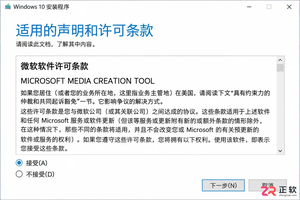
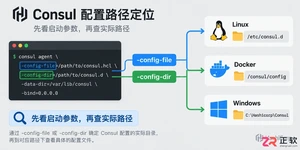



Postman是一套面向API全生命周期的开发与测试平台,可在Mac上发送和调试多种协议请求,管理集合、环境及认证信息,并完成脚本测试、模拟服务、监控、文档发布和团队协作。它适合开发、测试及运维人员使用,提供个人免费方案。

Docker Desktop 是 Docker 官方为 Mac 提供的容器开发环境,集成 Docker Engine、命令行工具、Compose、Build、Kubernetes 与图形化管理界面。

Android Studio 是 Google 面向安卓应用开发提供的官方集成开发环境,基于 IntelliJ IDEA 构建。它整合智能代码编辑、Gradle 构建、界面预览、设备模拟、性能分析、调试测试及 APK 分析等工具。

Xcode 是苹果面向 Mac 提供的官方集成开发环境,将代码编辑、项目构建、SwiftUI 实时预览、设备模拟、自动化测试、断点调试、性能分析和应用分发整合在同一套工作流中,适合开发与维护 iPhone、iPad、Mac、Apple Wa

JetBrains WebStorm 是面向 JavaScript、TypeScript 和现代 Web 技术的专业集成开发环境,可智能理解项目结构,提供代码补全、重构、错误检查、运行调试、测试及 Git 工具。

PhpStorm 是 JetBrains 推出的专业 PHP 集成开发环境,可在 Mac 上完成代码编写、智能检查、重构、调试、测试和数据库管理。它支持主流 PHP 框架、Composer、Git、Docker 与远程解释器。

JetBrains PyCharm 是面向 Python 开发者的集成开发环境,提供智能补全、代码检查、重构、调试、测试、版本控制及虚拟环境管理功能。Mac 版兼容 Intel 与 Apple 芯片,核心功能可免费使用。

IntelliJ IDEA 是 JetBrains 推出的专业集成开发环境,重点服务于 Java、Kotlin 与 JVM 项目开发。软件集成代码补全、静态检查、重构、调试、测试、版本控制及构建工具,并可借助插件扩展语言和框架支持。

Visual Studio Code 是微软提供的免费代码编辑器,支持 macOS,并为 Intel 与 Apple 芯片 Mac 提供适配版本。软件集代码编辑、调试、Git 源代码管理、集成终端和扩展市场于一体。
REAPER是Cockos开发的数字音频工作站,提供多轨音频与MIDI录制、剪辑、处理、混音和母带制作工具。Mac版兼容Intel与Apple芯片,支持AU、VST、VST3、CLAP等插件格式,并提供高度可定制的工作流程。

Adobe Audition 是面向播客、影视后期、音乐制作及内容创作者的专业音频工作站,提供波形精修、多轨录制与混音、频谱编辑、降噪修复、响度匹配和效果处理工具,并可与 Adobe Premiere 协同完成视频声音制作。

Pro Tools 是 Avid 推出的专业数字音频工作站,覆盖多轨录音、无损剪辑、MIDI 编曲、插件处理、自动化混音及声音与画面同步等工作。它拥有 Intro、Artist、Studio 和 Ultimate 等方案。

PixPix 是面向品牌、卖家和内容团队的在线 AI 图片视频创作平台,提供图视频 Agent、无限画布、图片生成、视频生成、自然语言编辑及商品套图、产品精修和带货视频等电商工具。

Postman 是面向 API 全生命周期的开发与协作平台。Windows 桌面版可用于构建和发送 HTTP、GraphQL、gRPC、WebSocket、MQTT 等请求,并提供环境变量、集合、脚本测试、模拟服务、监控、文档及团队工作区等

Docker Desktop 为 Windows 开发者提供集成式容器环境,内置 Docker Engine、命令行工具、Compose、Build 与 Kubernetes 等组件,可在本机完成镜像构建、容器运行、日志查看和资源管理。

Android Studio 是 Google 面向 Android 应用开发提供的官方集成开发环境,以 IntelliJ IDEA 为基础,集成智能代码编辑、Gradle 构建、设备模拟、界面预览、调试测试及性能分析工具,

WebStorm 是 JetBrains 面向 JavaScript、TypeScript 和现代 Web 技术打造的集成开发环境。它提供项目级代码分析、智能补全、安全重构、导航搜索,并集成调试、测试、终端、Git 与常用前端工具,

PhpStorm 是 JetBrains 面向 PHP 与现代 Web 开发打造的专业集成开发环境,提供代码补全、静态检查、重构、调试、测试、数据库、版本控制及前端语言支持。Windows 用户可直接下载安装程序,

PyCharm 是 JetBrains 推出的 Python 集成开发环境,提供智能代码补全、错误检查、重构、调试、测试、Git、终端及 Jupyter Notebook 支持。统一版安装后可体验 30 天 Pro 功能,

JetBrains IntelliJ IDEA 是以 Java、Kotlin 和 JVM 项目为核心的专业集成开发环境,提供智能补全、代码检查、安全重构、调试、测试、版本控制及构建工具集成。统一发行版的核心功能可免费用于商业和非商业项目,

Visual Studio Code 是微软推出的免费代码编辑器,Windows 版集成智能补全、代码导航、调试、终端和版本控制,并可通过扩展添加语言、格式化及远程开发能力。它启动较快、配置灵活,
REAPER 是 Cockos 推出的数字音频工作站,适用于录音、MIDI 编曲、音频编辑、混音、母带制作及声音设计。软件安装包小巧,支持多轨录制、灵活路由、自动化、第三方插件和脚本扩展,并提供完整功能的 60 天免费评估期。

Adobe Audition 是面向播客、影视后期、广播与音乐制作的专业音频工作站,提供波形编辑、多轨混音、频谱分析、录音、降噪修复和效果处理等功能。Windows 版通过 Adobe Creative Cloud 安装和管理,

Pro Tools 是 Avid 推出的专业数字音频工作站,提供多轨录音、音频剪辑、MIDI编曲、插件处理、自动化混音及影视声音制作能力。它适合音乐人、录音师、制作人和音频后期团队使用,并提供免费入门版、订阅方案及永久授权选择。